The importance of preparing for a manufactured home inspection
Manufactured home inspections are a crucial step in the home buying and selling process. They help ensure that the home is structurally sound, safe to live in, and compliant with HUD regulations. However, inspections can also be stressful for homeowners and buyers, especially if they are unprepared. By taking the time to prepare your home for an inspection, you can increase your chances of passing with flying colors and avoid potential issues down the line. In this post, we’ll cover everything you need to know to get ready for a manufactured home inspection and ensure that the process goes as smoothly as possible.
What to expect during a manufactured home inspection
During a manufactured home inspection, a certified inspector will evaluate the condition of the home’s foundation, roof, plumbing, electrical systems, heating and cooling systems, and more. They will also check for compliance with HUD regulations and ensure that the home is safe to live in. Depending on the size and condition of the home, the inspection can take anywhere from a few hours to a full day to complete. During the inspection, the inspector will carefully examine the home and make note of any issues they find. At the end of the inspection, they will provide a detailed report that outlines their findings and any necessary repairs or improvements. By knowing what to expect during a manufactured home inspection, you can be better prepared and feel more confident throughout the process.
Tips for preparing your home for an inspection
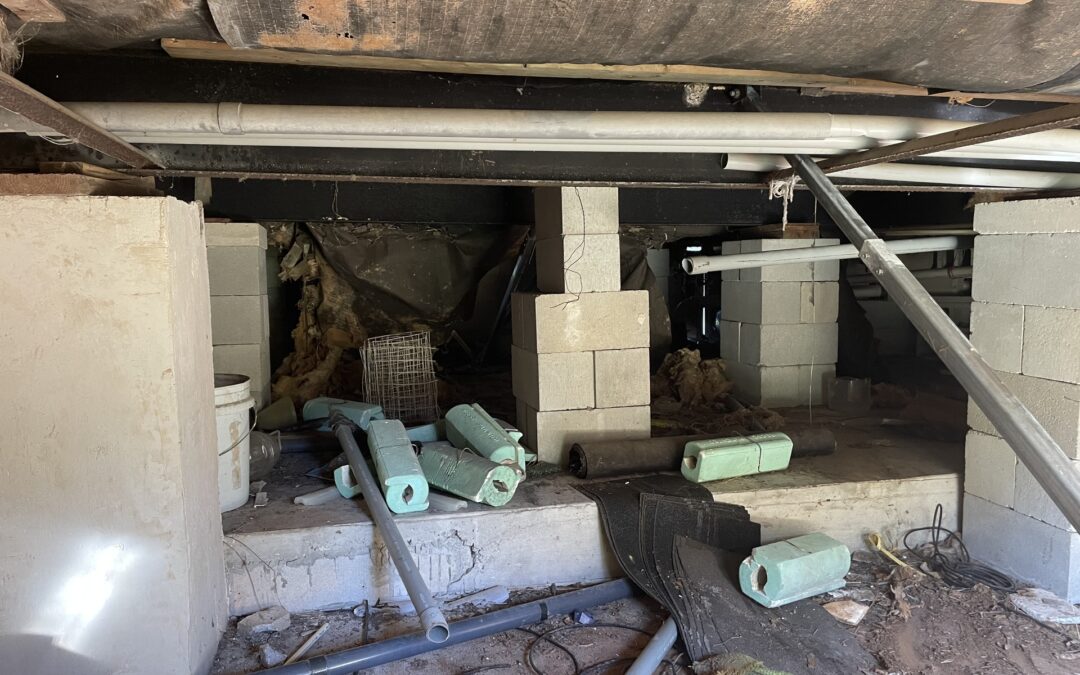
To prepare your home for a manufactured home inspection, start by decluttering and cleaning the exterior of the home. This will make it easier for the inspector to access all areas and ensure that nothing is obstructing their view. Next, check that all appliances and systems are in good working order, and make any necessary repairs. This includes repairing leaks, electrical, and fixing any broken or damaged components. You should also make sure that the home’s foundation is level and secure. Finally, be sure to provide any necessary documentation or permits, such as proof of ownership or building permits for recent renovations. By following these tips, you can help ensure that your manufactured home is ready for inspection and increase your chances of passing with flying colors.
How to address common issues found during inspections
During a manufactured home inspection, the inspector may find issues that need to be addressed before the home can be certified. If the inspector finds any issues, it’s important to address them as soon as possible to ensure that the home is safe to live in and compliant with HUD regulations. Depending on the severity of the issue, you may need to hire a professional contractor to make repairs. It’s important to address the issue promptly and thoroughly to avoid any further problems down the line. By working with the inspector and taking prompt action to address any issues found during the inspection, you can ensure that your home is safe, secure, and ready for sale or purchase.
Home maintenance tips to keep your manufactured home in top condition
While it may be tempting to try to save money by conducting a manufactured home inspection yourself, it’s important to remember that these inspections require a high level of expertise and knowledge. Hiring a certified inspector can help ensure that the inspection is conducted thoroughly and accurately and that all necessary areas are evaluated. Additionally, certified inspectors have the experience and training necessary to identify potential issues that an untrained eye may miss. By hiring a certified inspector, you can be confident that your home is safe, secure, and compliant with HUD regulations. Furthermore, a certified inspector’s report can provide valuable documentation for buyers and sellers, and can help expedite the buying and selling process. Overall, hiring a certified inspector is a small investment that can have a big impact on the safety, compliance, and value of your manufactured home.
Frequently asked questions about manufactured home inspections
The Department of Housing and Urban Development (HUD) has established regulations that govern the construction and safety standards of manufactured homes. These regulations are in place to ensure that manufactured homes are safe, secure, and able to withstand various weather and environmental conditions. Some of the key regulations include requirements for the home’s foundation, HVAC system, plumbing and electrical systems, and overall structural integrity. These regulations are designed to protect both the occupants of the home and the surrounding community. By understanding and complying with these regulations, you can help ensure that your manufactured home is safe, secure, and compliant with HUD standards. Additionally, compliance with these regulations can help increase the value of your home and make it easier to sell in the future.